
Understanding Sanctions Compliance & Risk Advisory Key Considerations
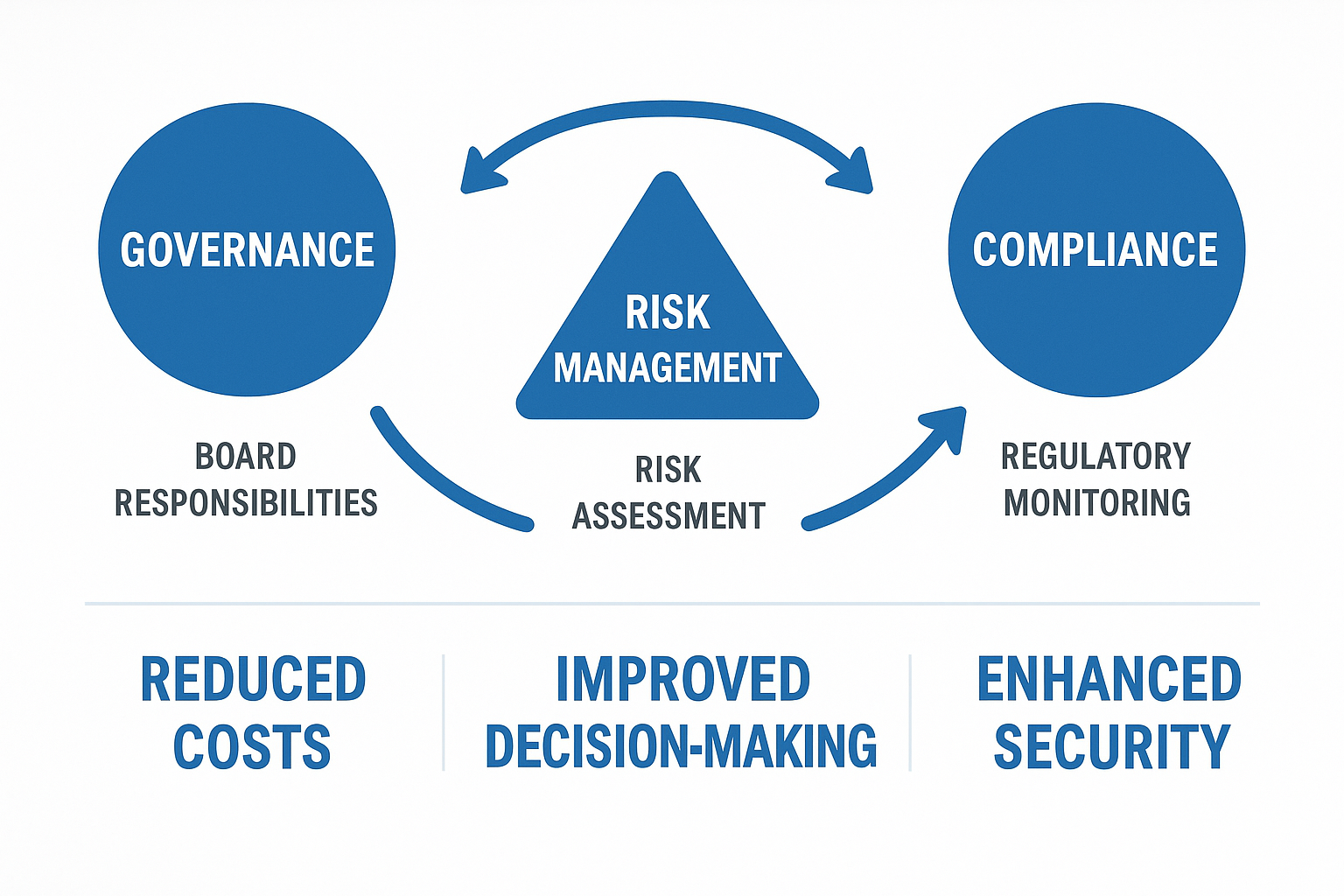
Understanding Sanctions Compliance & Risk Advisory: Key Considerations
In the dynamic environment of international business, Sanctions Compliance & Risk Advisory International Law Firm adherence to sanctions compliance has never been more critical. Businesses face a myriad of challenges when operating across borders, including the complexity of navigating sanctions, mitigating risks, and ensuring compliance with an ever-evolving regulatory landscape. This article delves into the essentials of sanctions compliance and the role of risk advisory services in helping organizations tread safely through potential pitfalls.
The Importance of Sanctions Compliance
Sanctions are legal restrictions imposed by governments or international bodies on countries, entities, or individuals. Their purpose ranges from protecting national security to promoting international peace and stability. The enforcement of sanctions has intensified in recent years, leading to an increased need for businesses to understand and comply with these regulations.
Failure to comply can result in severe penalties, including hefty fines, asset freezes, and restrictions on future business operations. Organizations must remain vigilant and proactive in their approach to sanctions compliance to avoid these repercussions. This includes establishing robust compliance programs, conducting thorough due diligence, and staying updated on regulatory changes.
Key Components of a Sanctions Compliance Program
A comprehensive sanctions compliance program should encompass several key components:

- Risk Assessment: Organizations need to conduct a thorough risk assessment to identify potential exposure to sanctions in their operations, including supply chains, customers, and third-party vendors.
- Screening and Monitoring: Implementing regular screening processes for customers, third parties, and business partners against sanctions lists helps mitigate risks effectively.
- Training and Awareness: Employees must receive ongoing training to understand sanctions requirements and the implications of non-compliance.
- Reporting Mechanisms: Establishing clear reporting channels for employees to raise concerns or report suspicious activities is essential for maintaining compliance integrity.
- Audit and Review: Regular internal audits help ensure the effectiveness of the compliance program and identify areas for improvement.
Challenges in Sanctions Compliance
Despite the clear importance of sanctions compliance, several challenges can impede effective implementation:
- Complex Regulatory Framework: The landscape of international sanctions is complex and varies significantly between jurisdictions. Keeping track of all relevant sanctions lists and applicable laws can be daunting for businesses.
- Resource Allocation: Smaller businesses may lack the necessary resources to implement comprehensive compliance programs, leaving them vulnerable to potential violations.
- Technological Limitations: Many organizations struggle to integrate solutions that can efficiently monitor and update sanctions data while ensuring compliance.
- Dynamic Global Environment: Political changes can result in sudden sanctions being imposed or lifted, requiring businesses to remain agile and adaptive in their compliance strategies.
The Role of Risk Advisory Services
In the face of these challenges, risk advisory services play a pivotal role in helping organizations navigate the sanctions compliance landscape. These specialized firms bring a wealth of expertise and resources to assist businesses in understanding their obligations and developing tailored compliance frameworks.
Risk advisory professionals can provide valuable insights into risk assessment, regulatory changes, and best practices for compliance. They may also offer training sessions for staff, ensuring that everyone in the organization understands the importance of sanctions compliance and how to effectively implement it.
Best Practices for Engaging Risk Advisory Services
When considering engaging with a risk advisory firm, organizations should follow these best practices:
- Define Objectives: Clearly outline your compliance objectives and what you hope to achieve through advisory services. This ensures alignment between your needs and the advisory firm’s capabilities.
- Assess Expertise: Evaluate the advisory firm’s expertise in sanctions compliance, looking for proven experience and a strong track record in similar industries.
- Collaborative Approach: Choose a firm that emphasizes collaboration, ensuring that they work alongside your internal teams rather than operating in silos.
- Regular Review: Set up regular meetings to assess progress, discuss challenges, and make necessary adjustments to your compliance strategy.
Conclusion
Sanctions compliance is a critical component of risk management for any organization operating in the global market. By understanding the regulatory environment, implementing robust compliance programs, and engaging with risk advisory services, businesses can navigate these complexities effectively. As the landscape continues to evolve, staying informed and adaptable will be key to maintaining compliance and minimizing risks associated with sanctions.
In an era marked by international tensions and regulatory scrutiny, the importance of sanctions compliance cannot be overstated. Organizations committed to operational integrity will find themselves better positioned to thrive, regardless of the geopolitical landscape.