
Understanding Secondary Sanctions and Their Impact on International Exposure

Understanding Secondary Sanctions and Their Impact on International Exposure
In the intricate world of international relations and trade, Secondary Sanctions & International Exposure have become critical concepts that governments and businesses must navigate carefully. Secondary sanctions refer to restrictive measures placed not only on a primary target, such as a nation or organization, but also on third parties engaging in trade or business with that target. This can have profound implications for international commerce, compliance obligations, and geopolitical dynamics.
What Are Secondary Sanctions?
Secondary sanctions are imposed by governments, particularly the United States, as a tool to exert pressure on specific states or entities deemed to be engaging in undesirable behavior, such as terrorism financing, nuclear proliferation, or violating human rights. Unlike primary sanctions, which directly target the designated countries or entities, secondary sanctions extend to foreign individuals, companies, and nations that do business with those primary targets.
For instance, if a country is sanctioned by the U.S. for its nuclear program, secondary sanctions could be enacted against international businesses that continue to trade with that country. This creates a chilling effect, as many firms fear losing access to the U.S. financial system or market if they engage with sanctioned entities.
The Scope of Secondary Sanctions
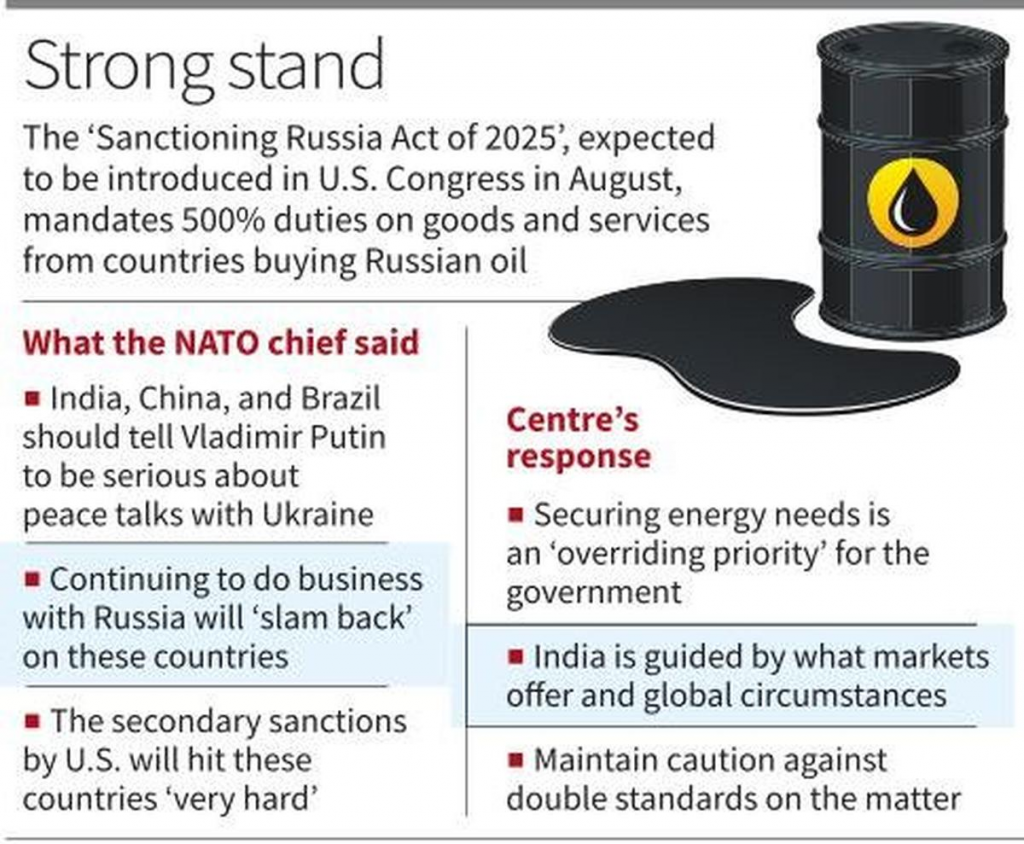
The scope of secondary sanctions can be expansive. They can affect global supply chains, financial transactions, and investment decisions. For example, in recent years, the U.S. has applied secondary sanctions against entities and individuals linked to Iran, North Korea, and Russia, making it crucial for international businesses to assess their exposure to these jurisdictions carefully.
Entities that face the risk of secondary sanctions often include:
- Multinational corporations with diverse operations.
- Financial institutions that engage in international transactions.
- Exporters and importers dealing in goods and services across borders.
- Foreign subsidiaries of U.S. firms that might find themselves in violation of sanctions policies.
Impact on Businesses
The impact of secondary sanctions on businesses is profound, as the potential for significant financial penalties and reputational damage becomes a pressing concern. Companies operating in the global market must maintain robust compliance programs to navigate these risks effectively.
Some of the key impacts include:
- Increased Compliance Costs: Businesses must invest in compliance infrastructure, legal consultations, and regular training to ensure they comply with ever-evolving sanction regimes.
- Restricted Market Access: Engaging with sanctioned entities could restrict access to lucrative markets, especially for companies reliant on U.S. trade.
- Reputation Risks: Association with sanctioned entities can damage a company’s reputation, affecting customer trust and partnerships.
- Operational Disruptions: Secondary sanctions can lead to disruptions in supply chains, as companies reevaluate their trading partners.
Navigating International Exposure
To effectively navigate these challenges, businesses must develop a comprehensive understanding of the international landscape and the sanction regimes that govern their operations. Some key strategies for managing international exposure include:
- Due Diligence: Conduct thorough due diligence on potential partners and markets to identify any links to sanctioned entities.
- Compliance Programs: Establish and maintain rigorous compliance programs to monitor transactions and ensure adherence to sanction laws.
- Legal Consultation: Engage legal experts specializing in sanctions compliance to help navigate complex legal requirements.
- Risk Assessment: Regularly update risk assessments to identify potential vulnerabilities within the supply chain.
The Role of International Organizations
International organizations often play a significant role in mediating disputes and fostering economic cooperation among nations. However, secondary sanctions can complicate these efforts. Nations that adhere to secondary sanctions might undermine the objectives of international treaties and agreements.
For example, the United Nations has its sanction mechanisms; conflicts may arise when a country operates under U.S. secondary sanctions while simultaneously attempting to maintain peaceful relations through multilateral agreements. This dual approach can lead to tension between following sanctions and promoting diplomatic ties.
Conclusion
In conclusion, secondary sanctions significantly impact international business practices and geopolitical dynamics. Companies must proactively manage their international exposure to mitigate the risks associated with compliance breaches and operational disruptions. By understanding the implications of these sanctions and developing effective compliance strategies, businesses can successfully navigate the complexities of the global market while minimizing legal and reputational risks.